I Recommend: The Lantern of the Laughless Saint
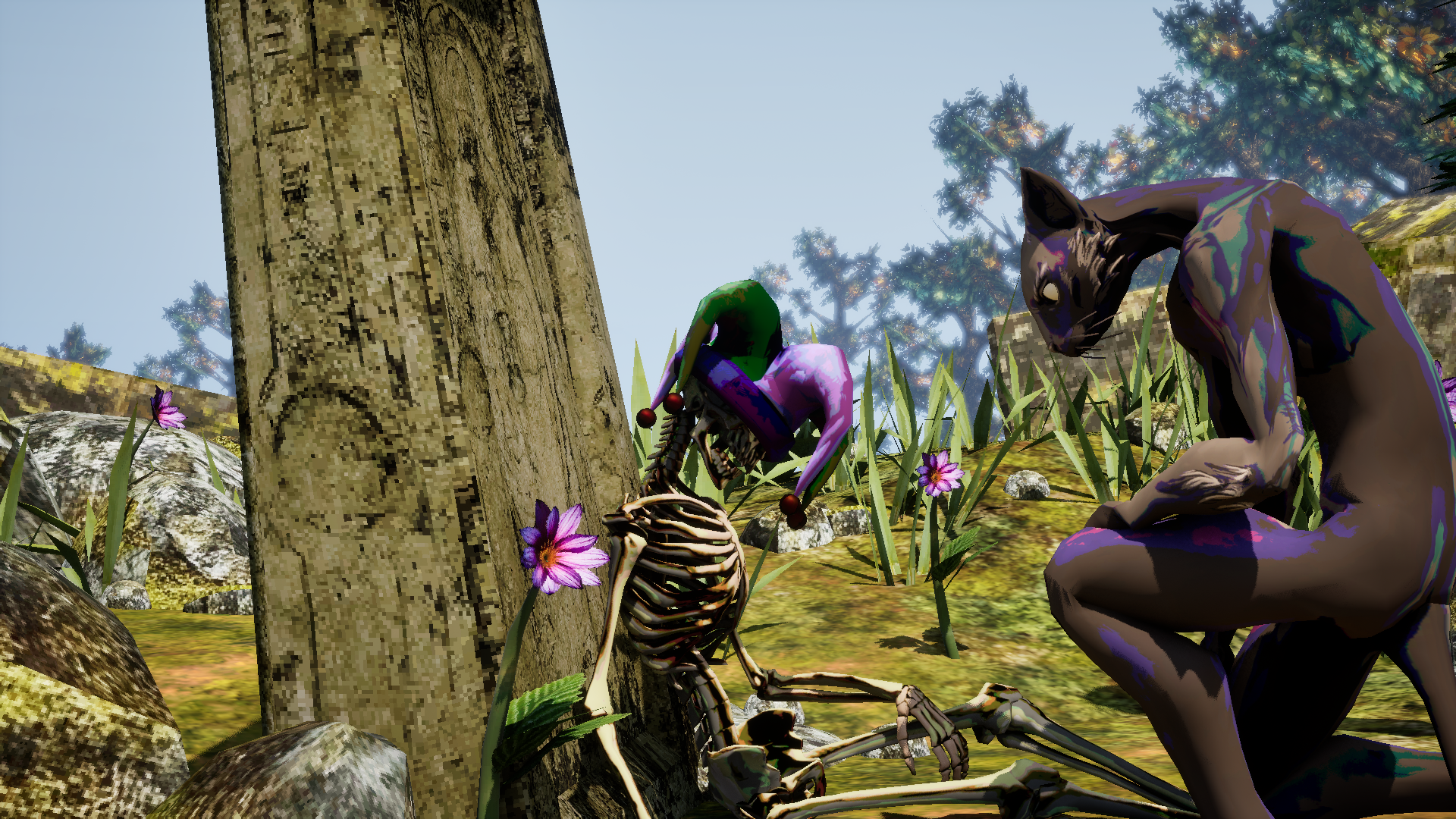
From what I understand, a group of OpenMW engine developers decided to get together and make their own Morrowind, with blackjack and hookers. And so Lantern of the Laughless Saint was born. It's very obvious, and they wear their inspirations on their sleeve. You play as not the Nerevarine, a stranger in a strange land hailing from one race of: a proud warrior of the hyperborean north, a magic half-breed, a shrewd imperial merchant, a water-breathing lizardman, or a cat. You wake up on the docks after a dream of strange, supernatural visions of destiny. A small pantheon of gods, who are not the Tribunal, have descended to the land to displace a larger pantheon of gods and demi-gods who had previously been more direct in dealing with the mortals, and who are not the Aedra or Daedra. Journey across a large island, gathering your instruments of pain and tearing down physical and magical barriers to journey deep into the heart of Et-Emenanki tower, which is not Red Mountain, and wherein lies the foreshadowed Saint, who is definitely not Dagoth Ur, and despite being chained up, also not Sotha Sil.
The marketing for the game was hilarious, and true to it, Nerve Labs have created a Scrolls-like. Still, despite being so much like Morrowind, they did a good job of making a game that felt like a real island in a real world, and also setting up that real world for the game they aspire to make next, The Holy Fool, to which Lantern is meant to be a prequel.
The benefit of making their own game is retrospect, and while some things are slavishly referential to Morrowind, they did a good job of exercising good judgment in what they didn't copy. Conspicuously missing is the levelling system, both Morrowind and Oblivion feature levelling systems that are either worked around or modded to Hell to be palatable. Lantern says "fuck it," and throws Skyrim and Fallout in a blender. Directly doing a thing gains experience in it and levels it up. Jumping gives you Acrobatics, running gives you Sprinting, shooting arrows gives you Archery. On level up, you also gain five skill points – unlike a Pokemon Rare Candy, using a skill point to level that skill doesn't discard experience gain, big plus – and a perk point that you can spend on an ever-expanding list as you both level skills and get your character level up.
This feels much better than the "don't make important skills major/minor skills" song and dance of vanilla Morrowind or Oblivion. Both games have level scaling that encourages you to keep your character level low, but Oblivion's is a lot more aggressive an notorious. As far as I could tell, Lantern both solves the levelling problem and has no level scaling, so it's a win-win.
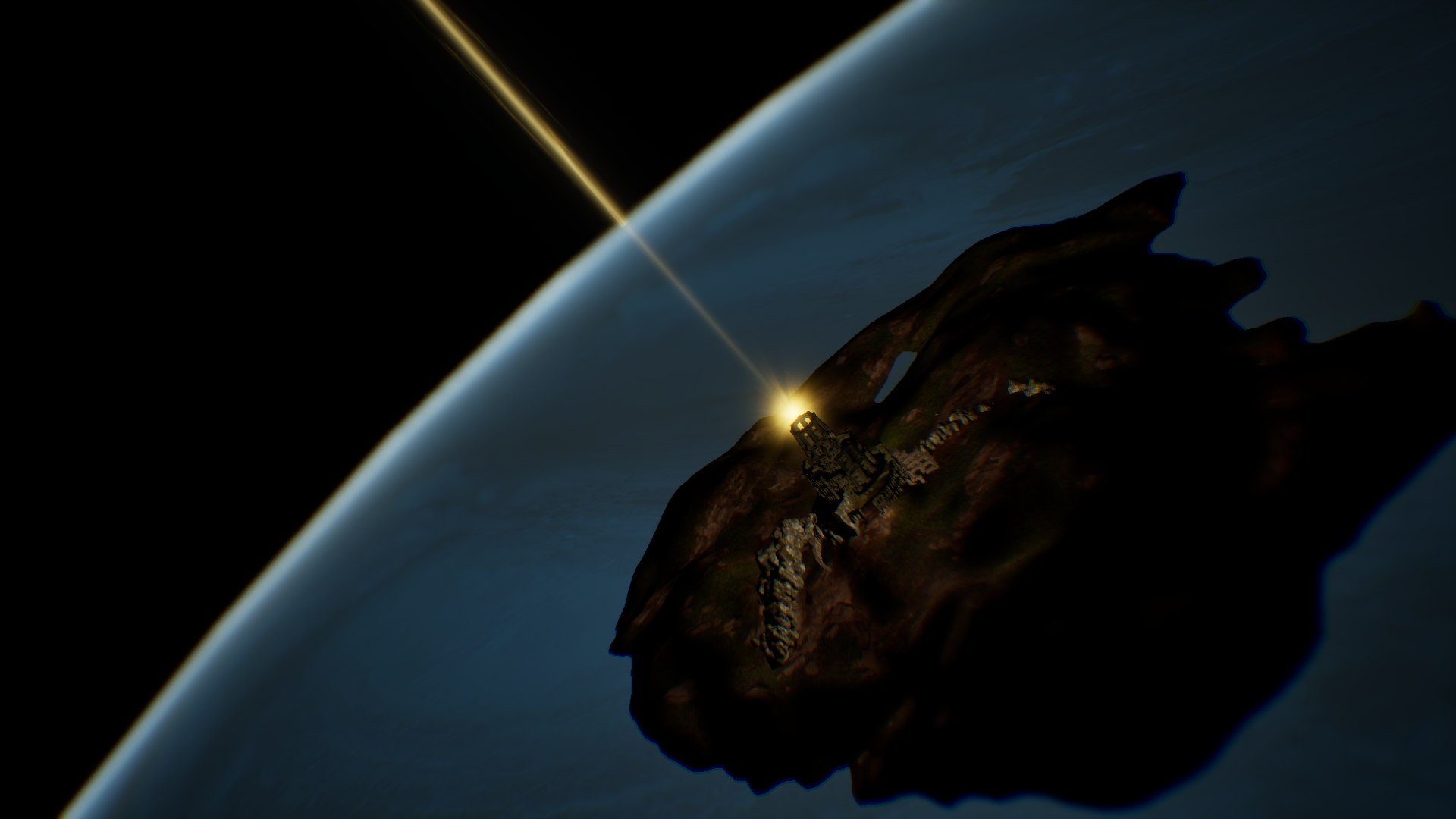
One thing I expected and never got was a dash of Breath of the Wild. My expectations, as well as many peoples' in the Steam reviews, was to save entering the tower for last. It was hyped up to be a point of no return that would be the capstone of the game, and you could either go in early to speedrun the game, or do as much as you could on the island to build your character up and get bonuses in the final boss fight. This did not pan out, and in fact, entering the tower early is recommended and seemingly necessary. Several quests you get early on are made much easier with the Amphitheatre's shortcut to the upper plateau of the island, although there is a way up without it, and one needs to get up there to get to the second, upper half of the tower, where more quests stard and end. One quest starting right outside the Amphitheatre gives you a spell that lets you quick travel back to that location, and completing the first main quest objective inside opens up a shortcut to get back to that part of the tower quickly from outside. There was a way to clip into the floor and levitate to the final boss, which is exactly what I was expecting out of a Scrolls-like game, but it was quickly and very judiciously patched out very early. The devs do not intend for you to fight the final boss early, no matter what anyone in town implies.
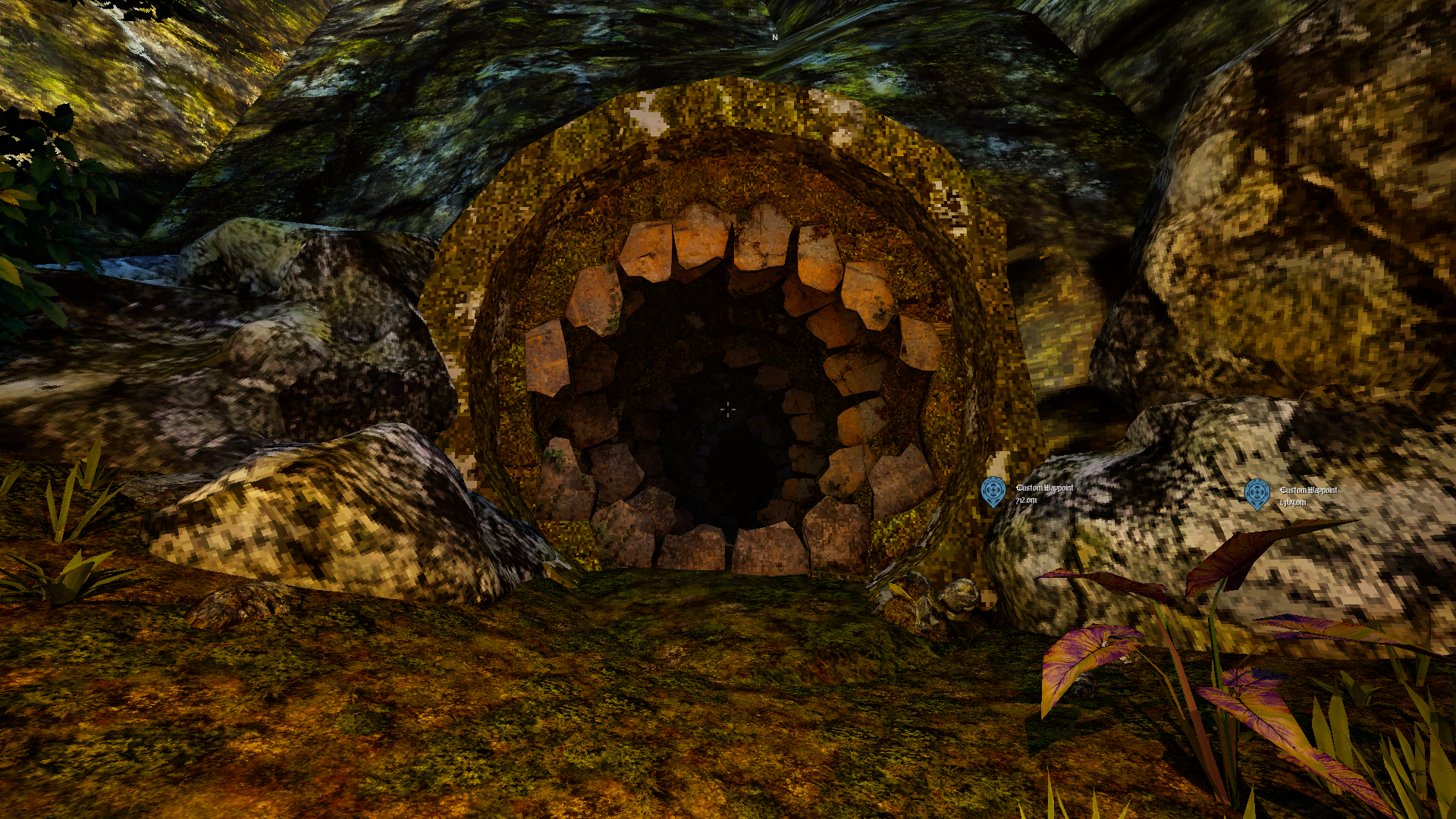
Hopefully by the time the game releases, they'll have the map figured out. The game launched with everything turned on its side, (west was up,) but the map as a system could and should be better. I think it needs the Hollow Knight treatment for the map: you don't have waypoints marked until you buy the marker that marks the waypoint. As it stands, you can put no more than five custom waypoints on the map, and they persist through gameplay. I'd like waypoints that only show up on the map, and more of them, and more variety of them too.
That said, the game isn't terribly hard to navigate. The map itself is a 3d representation of the island, and the fact that the island is dominated by the tower means that you can, outdoors, frequently get your bearings by just finding the tower in the landscape. Some of the denser forest areas might make visibility hard, but all of the beaches can see it. The game uses a lot of repeat assets for various structures, there's an "inside this door and down the tunnel into three interconnected donuts that have an alternative exit" asset that gets repeated, there's a "ruined city where some floors have stairwells and others don't" that gets repeated at least twice, there's two nearly identical caves in pipe-structures that just have different fauna and flora. I would like to say that, after about ten hours, you'll have seen it all, but the game saves a lot of its best, more unique motifs and assets for the tower and you'll see most of it towards the end.
Progression is fairly solid, both in terms of itemization and the gameplay loop. The game was, at least when I played it, very very dark at night. Initially the gameplay loop is "how far can I get to before it gets too late and I need to double back to town?" Then you find more beds out of town and wonder "what's the next bed I can get to before it gets dark?" This was my initial plan with the custom waypoints, mark all the beds so I know my closest, but when I ran out I just started commiting them to memory. You begin to find more structures and camps where NPCs beds are ripe for the using, so after levelling enough and exploring enough, you'll begin making multi-day expeditions, knowing where the nearest bed is. I'm sure by release they'll have fixed this entirely, given that dungeons without even the prospect of moonlight require a lantern and really would like even more light than that.
Items were already being rebalanced as I played the game, and they'll be completely different by release too. Still, finding new items, as well as new classes of items, felt really good when you finally got an upgrade. You'll carry around too much in alchemy supplies and vendor fodder, but the items you do want feel good as you jump up in power, and you can carry (and use) quite a few. By the time I called it on my playthrough, I had a sword and shield, a two-handed sword, and a bow all equipped at the same time, with room for about five spells left to spare on the quick-change wheel, and I think I was intentionally unequipping a second one-handed weapon because I didn't want the wheel clogged up any more. You have options, and even early on when the corners were less sanded down, the game didn't feel quite like it pideonholed you into one choice (e.g. Skyrim sneak archer), everything still felt good to use in certain situations.
After a rough start, enemies began feeling good to fight. It's a lot easier if you stay on Normal/Normal – one of the two difficulties control enemy aggression rather than statistics – but bumping up the game to Hard/Hard only requires getting over the hump of getting your first good weapon or spell before things start feeling better. I got bumped back down to Normal/Normal partway into my playthrough and just left it there, there weren't any achivements that I would've invalidated anyway, and all the step down does is let you be more brazen with walking into rooms filled with stuff to kill. Early builds of the game had NPCs accidentally killing themselves on bonfires and other environmental hazards, and the bow that I used for most of the game was "stolen" from no one, almost certainly because that NPC had already committed sudoku and despawned after a save and load.
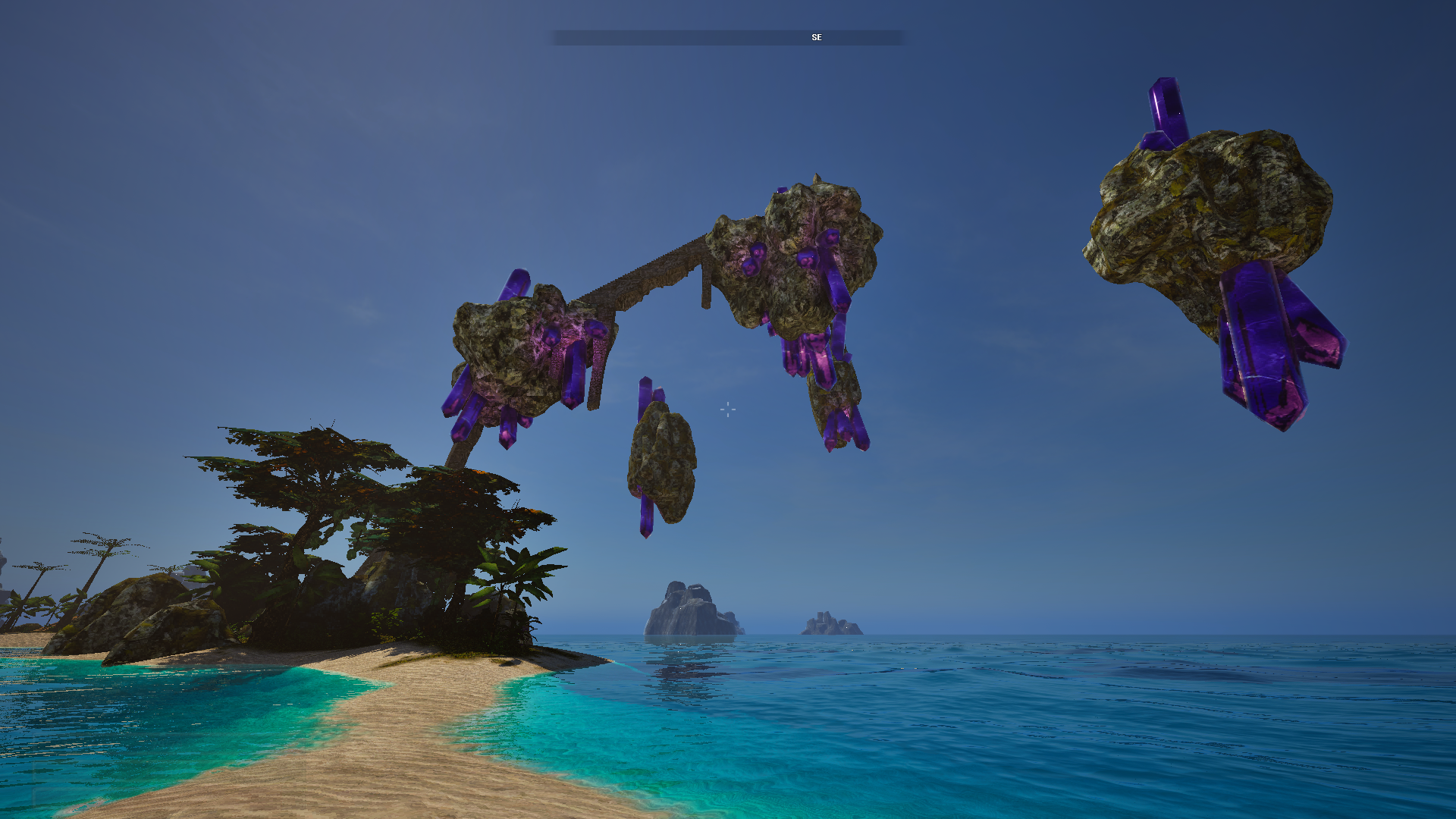
The game looks excellent. I understand it's using a very, very custom version of Unreal Engine. It shows, both in terms of how it looks and how it runs. A lot of people were complaining when I was playing about performance problems, a lot of people with Nvidia cards, especially pre-RTX cards. On an RX 6700XT, I had no problems running the game north of 60FPS, even with hardware raytracing left on! I did eventually turn it off, which brought my framerate up, but the game was still maxing out my card's power draw to its limit regardless of how I set it up. I turned off raytracing early, and good thing too, the further you get into the game, the harder the game gets to run. Especially at the top of the tower, where you have to render several floors of tower infrastructure and enemies, as well as the landscape below you. It is an instant classic of a Summer Vacation game, especially around where you start the game, with all the bells and whistles turned on, the beach looks divine.
I'm sure there's quite a few more things to say, but a lot of things need to be ironed out and fixed still before I can pass a final judgment. Still, the game was surprisingly competent even at launch, and the devs have put a lot of time and energy into Early Access patching. This does not seem to be a game where EA is the final build of the game, even though they keep patching things I'd have preferred they kept in.
One thing a lot of people have complained about are the bugs, and the game is buggy. It wouldn't be inheriting the crown of Morrowind-at-home if it wasn't. But it's a big game with a lot of interconnecting parts, and most CRPGs (and games that aren't quite CRPGs but descended from them) were too. Working on someone else's game for almost a decade surely helped both set expectations and helped lay the groundwork for how to make such a game from scratch. They even basically copied the console commands from Morrowind, almost certainly because they had extensive muscle memory using them while developing OpenMW. Did you notice? I did, pretty funny.
Lantern of the Laughless Saint is an instant classic, launched for $18 in Early Access (in a world full of devs that want to raise the "standard" price of games from $60 to $100,) and will come back up to a standard price tag of $20. It even follows the Monkey Island rule, and without the cope of inflation! The game's excellent, the devs are working their asses off getting it ready for 1.0, and I can't recommend it enough. It would take unholy intervention to fuck up the game after the great bones the game started with on its initial release. Still, time will tell what the actual legacy of the game will be. For now, it's a good start, and I had a good time playing it.
I'm looking forward to what The Holy Fool will look like too. No doubt the people that worked alongside the Tamrael Rebuilt project will have a great game in store for a whole world's worth of stuff to explore.